
September 21–23, 2026, NASF members and industry partners gathered at the historic Willard InterContinental in Washington, DC, for the 2026 NASF Washington Forum. The annual event once again brought the surface finishing community to the nation’s capital for timely insights into the political, economic, regulatory and business issues shaping the industry and an opportunity to bring the industry’s priorities directly to Capitol Hill.
The Forum opened Monday evening with a welcome reception, giving attendees an opportunity to reconnect with colleagues from across the industry ahead of a full day of policy discussions and expert briefings.
On Tuesday, NASF President Steffen Wolkerstorfer, NASF Government Advisory Committee Chairman Mitch Marsh and NASF Executive Director Craig Addington welcomed attendees before Christian Richter of NASF Government & Industry Affairs and The Policy Group provided an update on the association’s industry agenda.
Expert Perspectives on the Issues Shaping Surface Finishing
Throughout the day, attendees heard from an accomplished lineup of national and international experts covering issues with direct implications for surface finishing, manufacturing and the broader business environment.
Curtis Dubay, Chief Economist at the U.S. Chamber of Commerce, provided an economic outlook and perspective on U.S. business trends, while Marc Goldwein of the Committee for a Responsible Federal Budget examined the federal budget and national debt. John Herrmann of Kelley Drye & Warren discussed trade and tariff issues affecting metals and manufacturing.
The regulatory program included Dr. Chris Schlekat of NiPERA, Nickel Institute, on nickel regulatory developments and Dr. Cynthia Finley of the National Association of Clean Water Agencies on publicly owned treatment works (POTW) regulatory priorities.
Attendees also heard from David Fischer and Eric Gotting of Keller and Heckman on PFAS litigation and regulatory trends; Lukas Hanstein of the German Surface Finishing Association on U.S.-European regulation; and Kelsey Hendrixson and Danielle Paynter on metals, chemicals and the defense industrial base.
Together, the sessions provided attendees with a broad view of the domestic and global developments influencing the operating environment for surface finishing companies.
David Wasserman Offers a Look at the Political Landscape
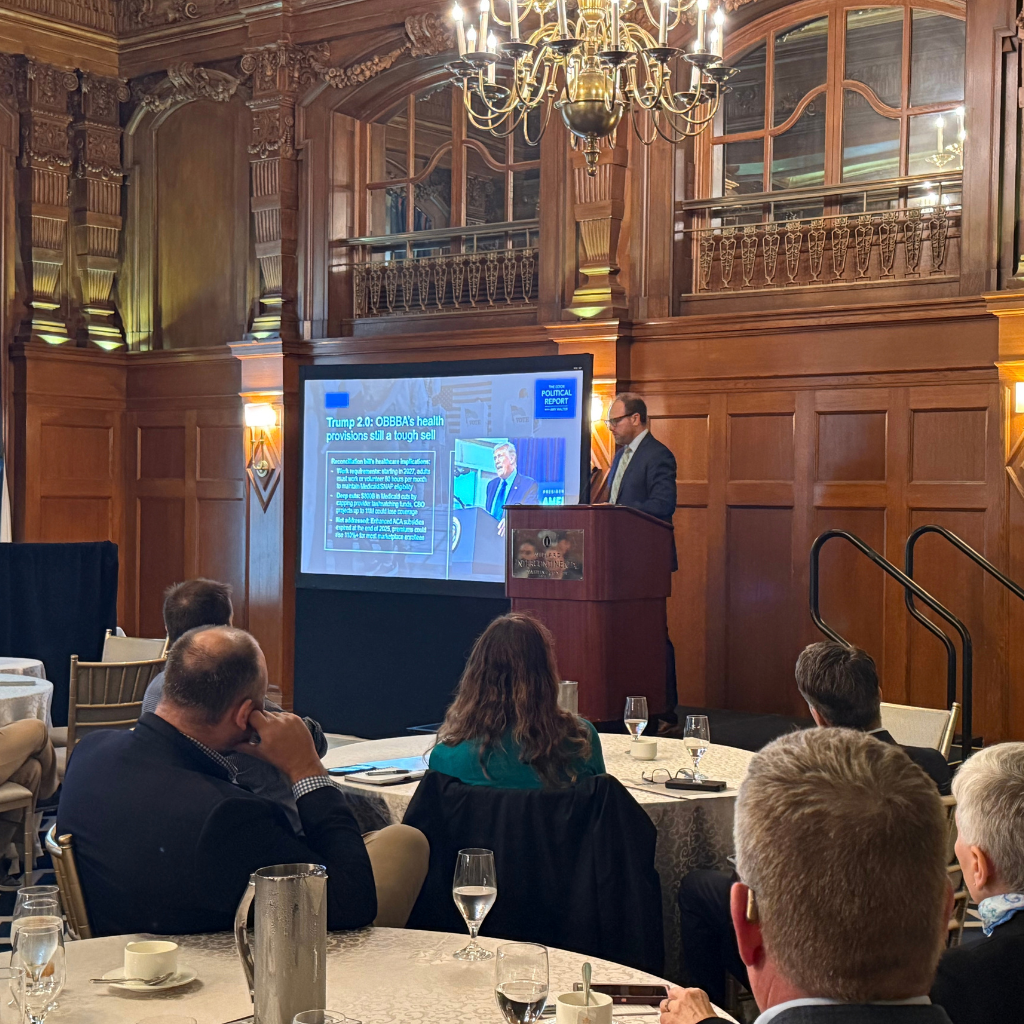
A highlight of this year’s Forum was the keynote address from David Wasserman, Senior Editor and Election Analyst at The Cook Political Report with Amy Walter.
Wasserman provided a nonpartisan, data-driven look at the political landscape heading into the November midterm elections, helping attendees better understand the dynamics that could shape the next Congress and the federal policy environment.
One of the nation’s most recognized election analysts, Wasserman brought his perspective on congressional races and electoral trends to a discussion particularly timely for NASF members as the association continues its work on federal regulatory and legislative issues affecting surface finishing and manufacturing.
NASF Members Take Industry Priorities to Capitol Hill
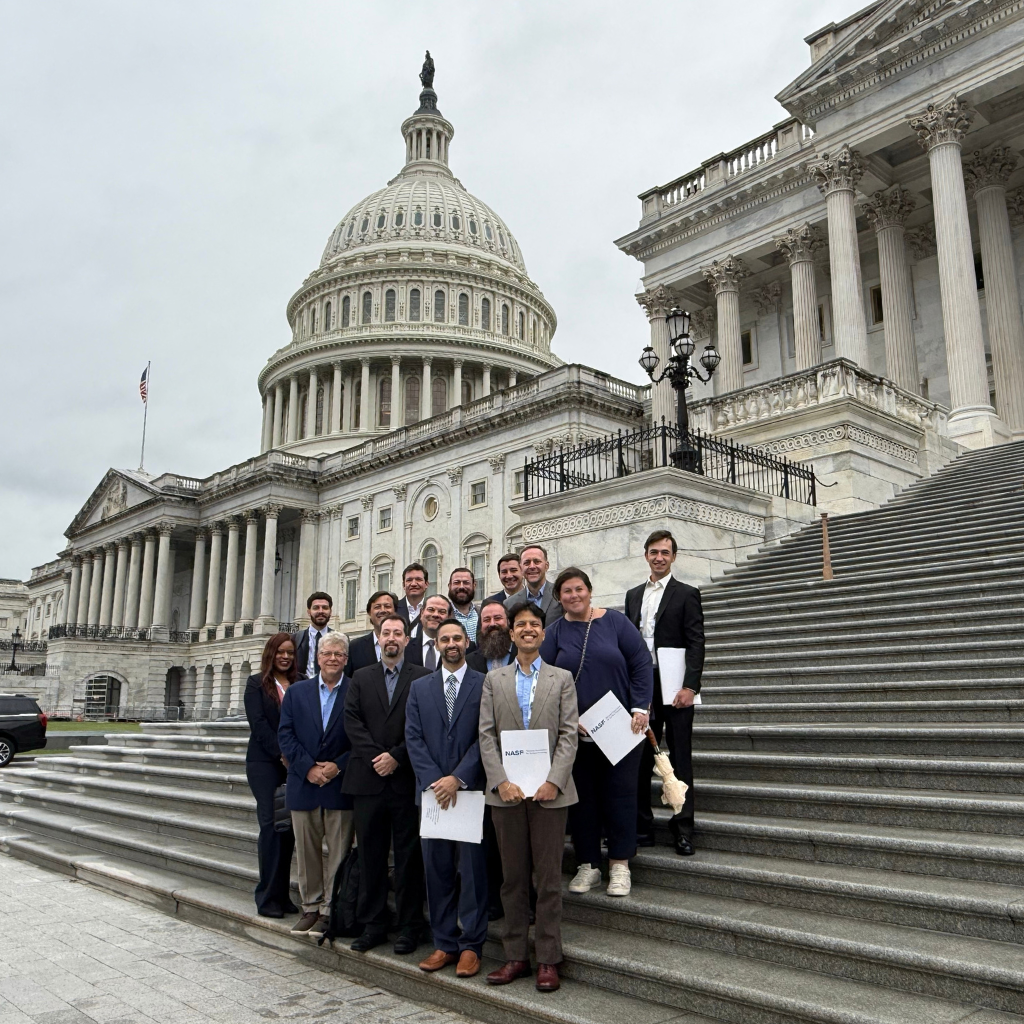
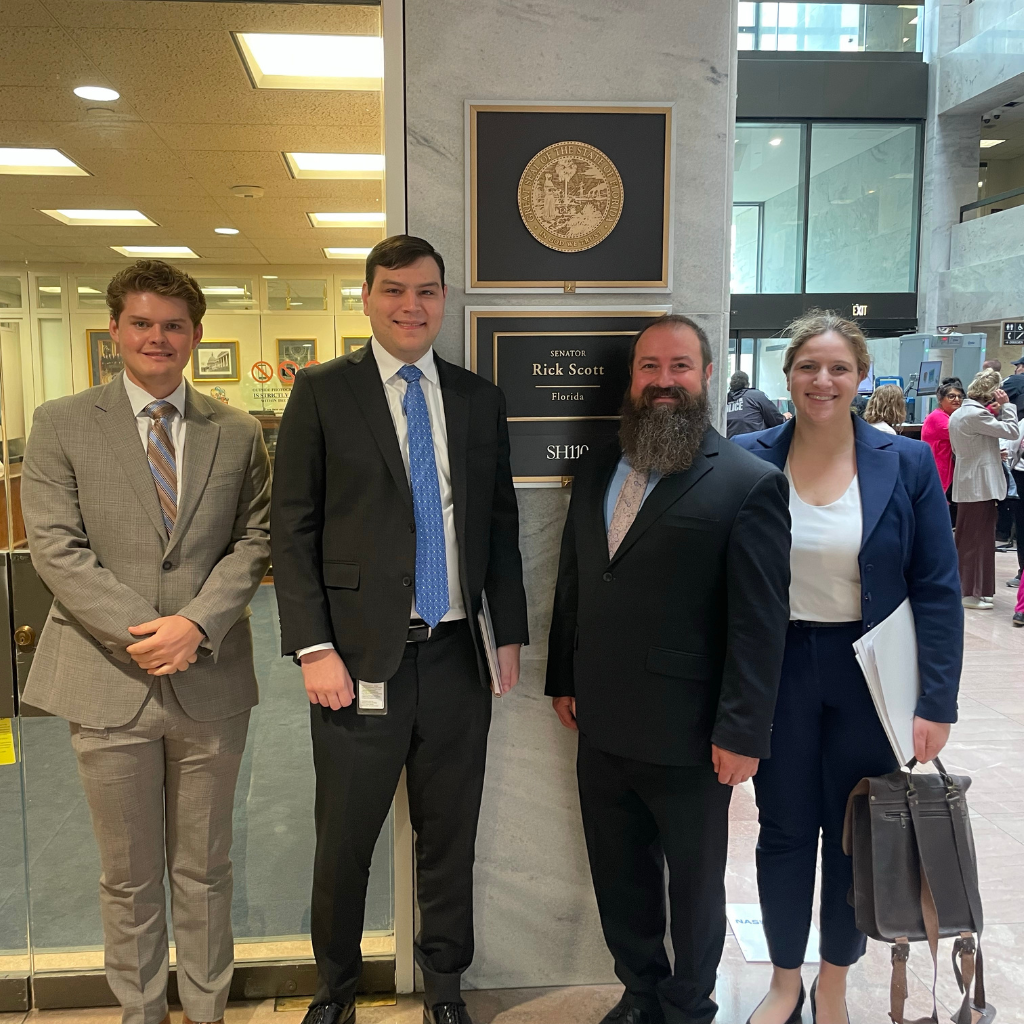
On Wednesday, the Forum shifted from policy discussion to direct advocacy as NASF members headed to Capitol Hill for meetings with 32 congressional offices.
This year’s Hill Day focused on two major issues for the surface finishing industry: nickel and PFAS.
On nickel, NASF members asked lawmakers to support further review of an Agency for Toxic Substances and Disease Registry (ATSDR) value before it is relied upon in federal decision-making. Members emphasized nickel’s role as a federally designated critical mineral and its importance to sectors including defense, aerospace, automotive, electronics and energy.
On PFAS, members shared the surface finishing industry’s history of working to reduce emissions and phase out certain chemistries. They highlighted the industry’s past use of PFOS-based fume suppressants to control hexavalent chromium emissions, the subsequent nationwide phaseout of PFOS use in surface finishing, and ongoing efforts with automotive partners to voluntarily eliminate PFAS.
Members also emphasized the potential impact of additional regulatory requirements on small finishing businesses and critical domestic supply chains, noting that approximately 90% of finishing companies employ fewer than 75 people.
Most importantly, participating members brought these issues to life by sharing the experiences of their own companies with lawmakers and congressional staff. Those firsthand perspectives help policymakers better understand how decisions made in Washington translate into real-world impacts for surface finishing businesses, their employees and the customers and industries they support.
NASF thanks every member who participated in Hill Day and helped represent the industry on Capitol Hill.
Continuing the Industry’s Voice in Washington
The 2026 Washington Forum once again demonstrated the importance of bringing the surface finishing community together in Washington to stay informed, engage with experts and communicate directly with policymakers.
From economic and regulatory developments to trade, PFAS, critical materials and the political landscape, this year’s Forum provided valuable context around the issues that will continue to shape the industry in the months and years ahead.
NASF will continue building on the conversations and advocacy that took place throughout the Forum as it works to advance the priorities of the surface finishing industry in Washington and beyond.